

If you search for snapjotz com, you quickly run into a weird problem: there isn’t one clean story about what it actually is. Some pages describe it as a smart note-taking platform, while others call it a digital workspace or productivity tool. Then you visit the actual site and… well, things get a lot less exciting.
That mismatch is what caught my attention.
The name sounds like an app. “Snapjotz” practically suggests quick notes, saved ideas, little digital reminders. I can see why people would assume it is some kind of productivity service. But the public information surrounding the domain tells a different story, and that distinction matters if you’re trying to figure out whether this is a tool worth using or simply a website worth reading.
So, what is Snapjotz really?
The first thing I noticed
The biggest clue is the site’s format.
Rather than opening into a dashboard where you create notes, manage projects, or connect a microphone for transcription, the website appears to function as a content-publishing platform. Its pages are built around articles and informational posts covering several unrelated subjects.
Business. Technology. Health. Fashion. Lifestyle. Even topics that have very little to do with one another.
That’s a pretty ordinary setup for a general-interest blog. It just doesn’t look much like dedicated productivity software.
And that’s where some of the descriptions online become confusing. Search results include pages claiming that Snapjotz offers things such as AI meeting transcription, multimedia notes, cloud syncing, and collaboration features. Those claims are difficult to reconcile with the publicly visible site itself, which presents much more like a blog.
A small distinction, perhaps. But a pretty big one for someone searching because they want an actual app.
Why the name causes so much confusion
I think the branding is partly responsible.
“Snapjotz” sounds like something you would use to quickly jot down an idea. Add a few modern-sounding descriptions around it and suddenly you’ve got a supposed productivity platform with AI features, team collaboration, and cloud storage.
It sounds believable.
But sounding believable isn’t evidence.
Several websites around the internet describe Snapjotz as a digital notebook or AI-powered workspace, sometimes going into surprisingly specific details about supposed features. One third-party page, for example, describes AI transcription, multimedia note creation, and device synchronization. Yet those features aren’t clearly presented on the live site that I found.
So if you’re reading one of those descriptions and wondering why you can’t find the same interface yourself, you’re not missing an obvious button.
The descriptions and the actual website simply don’t line up very well.
What the site actually looks like
The more convincing evidence comes from the site’s own pages.
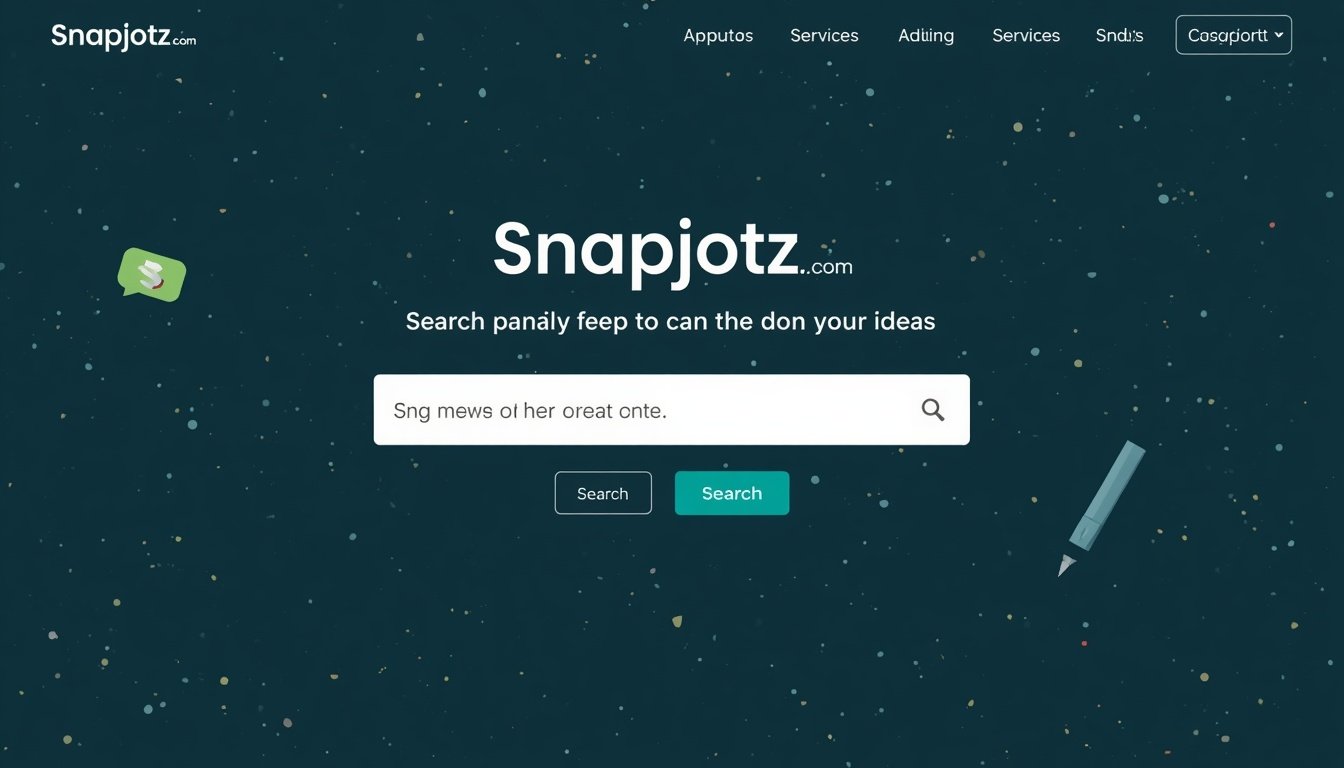
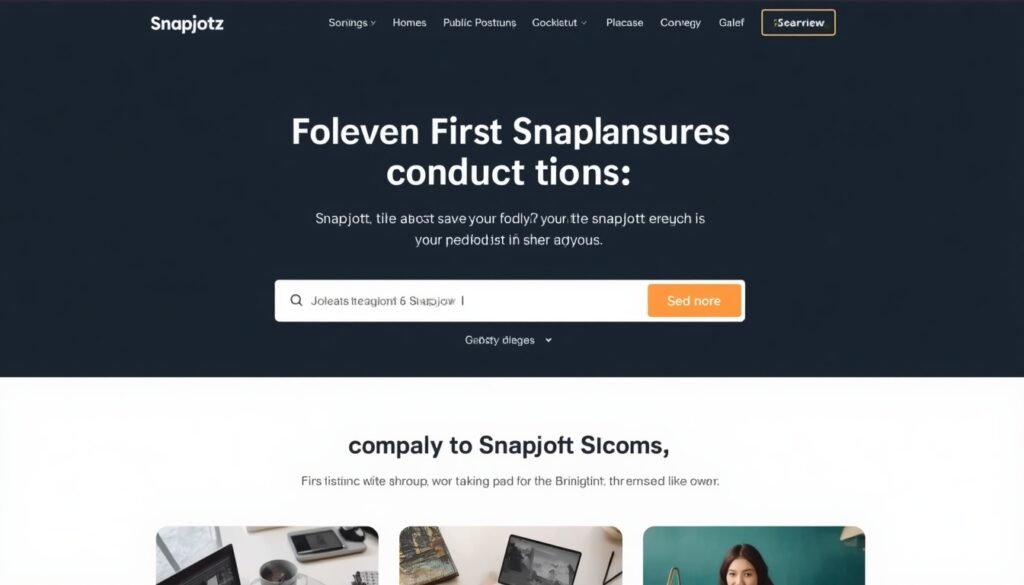
SnapJotz presents itself around articles, ideas, and digital content. Its homepage talks about publishing engaging material, sharing insights, and building a community around ideas. The “Offerings” page similarly focuses on blogs, community engagement, and creative resources rather than software features.
That’s a different proposition.
Think magazine-style website, not productivity dashboard.
And the distinction becomes even clearer when you look at the kinds of subjects being published. The site’s broader content ecosystem includes posts about technology, business, health, home improvement, fashion, and other general-interest areas. A related Snapjotz-branded site currently displays articles ranging from plant-based diets and dental care to screen-time habits and technology topics.
A little scattered? Sure.
But plenty of publishing sites work exactly like this.
Is Snapjotz com an app?
Based on the public site I could verify, I wouldn’t treat snapjotz com as a confirmed note-taking application.
That’s the part I’d be careful about.
If somebody tells you, “Go to Snapjotz and start recording your meetings,” I’d want them to show me where that feature actually exists before believing them. The visible website doesn’t present the normal signs you’d expect from a software product, such as an obvious account system, application dashboard, pricing structure, or product documentation.
No fancy dashboard.
Just content.
That doesn’t automatically make the website bad or dangerous. It simply means the site’s apparent purpose is different from what some online descriptions suggest.
And honestly, that’s a useful distinction because people often assume that a website with a tech-sounding name must be a technology product. That’s not always true. A domain can become a blog, a media site, a marketing property, or something else entirely over time.
The content side is more interesting
Once you stop expecting an app, Snapjotz becomes easier to understand.
The site appears geared toward people who browse online for quick information. One article might cover technology, while another jumps into business or lifestyle. That broad approach can work because readers don’t necessarily arrive through the homepage.
They arrive through search.
You type something specific into Google, find an article, read it, and leave. Maybe you discover another article while you’re there. That’s basically how a huge portion of the modern web works.
Snapjotz fits that general publishing model much better than the supposed “AI workspace” description.
I also noticed that some pages on the wider SnapJotz network describe the project as a platform for informative and creative content. The About page talks about writers, industry experts, audience interests, and partnerships with brands.
That sounds much more consistent with what is actually visible.
Why are there so many different explanations online?
This is probably the most interesting part of the whole Snapjotz story.
Search the name and you can find wildly different descriptions. One page calls it a productivity tool. Another discusses it as a general blog. Another presents it as a digital publishing platform. There are even pages dedicated to explaining why those conflicting descriptions exist in the first place.
So which one should you trust?
I’d start with the actual domain rather than articles written about it.
That’s a pretty simple rule, but people forget it.
If a review claims there is a login dashboard, go look for the login dashboard. If somebody says there is a pricing page, find the pricing page. If an article claims there is an AI transcription feature, look for the feature on the product itself.
Where is the proof?
That question saves a surprising amount of time online.
Don’t automatically believe the positive reviews
There is a common assumption that a detailed review must have involved detailed testing.
I don’t buy that.
A long article can still be based on another article. In fact, that’s one reason obscure websites sometimes develop strange reputations online. One description gets published, another site repeats it, a third adds a few more details, and eventually the repeated version starts looking like established fact.
Snapjotz seems to have fallen into some version of that problem.
Several articles describe similar productivity features even though the publicly visible site doesn’t appear to offer them. Other pages then write “reviews” of those supposed features, creating another layer of repetition.
It’s a bit like hearing the same rumor from five classmates and deciding five people witnessed it.
They may have just heard it from one person.
What about safety?
This is where I’d avoid both extremes.
I wouldn’t label a website a scam simply because its online descriptions are confusing. At the same time, I wouldn’t call an unfamiliar domain trustworthy just because somebody published a glowing review about it.
Those are two separate questions.
For ordinary browsing, the sensible approach is pretty boring: don’t enter sensitive personal information unless you understand who operates the site and why they need it. Don’t download random software because an article tells you to. And if a page suddenly asks for payment, stop and check exactly what you’re buying.
Simple stuff.
The public information I found does not support the idea that Snapjotz is some established AI productivity service. The evidence fits a content website much better.
Could Snapjotz still change?
Absolutely.
Websites change owners, designs, purposes, and business models all the time. A domain that was once dormant can come back with an entirely different project. A blog can become a software product. A software product can disappear and leave behind a content site.
That’s one reason old reviews can be especially misleading.
One third-party investigation of Snapjotz pointed out that the domain’s visible history appears to span different periods of activity, with older posts and later publishing activity separated by gaps.
So I wouldn’t treat every historical description as proof of what the site is today.
The date matters.
A lot.
Is it useful for ordinary readers?
If you’re looking for articles, possibly.
The site’s publishing approach means you may stumble across useful information while searching for a particular topic. Some of its pages are clearly designed around straightforward informational queries, which makes sense for a general content site.
But if you came here expecting a replacement for a dedicated notes app, I’d lower those expectations considerably.
There are better-known tools for that job.
And there’s nothing wrong with Snapjotz being a blog. The problem only starts when the site’s identity gets described as something it doesn’t visibly appear to be.
My take on Snapjotz com
After looking through the available information, I’d describe snapjotz com as a confusingly branded content website rather than a verified productivity application.
That’s my main takeaway.
The name makes it sound like an app. Search results make the picture even messier. But the public-facing pages I found are centered around articles, publishing, ideas, and general-interest content rather than a working note-taking system.
So, if you’re simply curious about the domain, there’s nothing particularly complicated about it: treat it as a content site and judge individual articles on their own quality.
If you’re searching for the supposed AI notebook people mention in other articles, though, I’d pause before assuming you’ve found it.
That little bit of skepticism is useful online.
Especially when the website itself tells a different story.
A Few Questions People Ask
What is snapjotz com actually?
The publicly visible site appears to be a general content and publishing website, rather than the AI note-taking application described on some third-party pages.
Is Snapjotz com a note-taking app?
I couldn’t verify the supposed note-taking dashboard or related software features on the live site. The available evidence points much more strongly toward a blog-style platform.
Is Snapjotz com safe to browse?
Normal web browsing is a different question from trusting every claim made about a site. Avoid sharing sensitive information or downloading anything unless you know exactly what you’re dealing with.
Why do people describe Snapjotz differently?
The domain has been described in several ways across different websites, and some descriptions appear to repeat claims that aren’t clearly supported by the live site.
Can I use Snapjotz com for reading articles?
That’s the use that best matches what the public-facing website actually provides: informational content covering a range of subjects.