

1. What Are Succulent Plants?
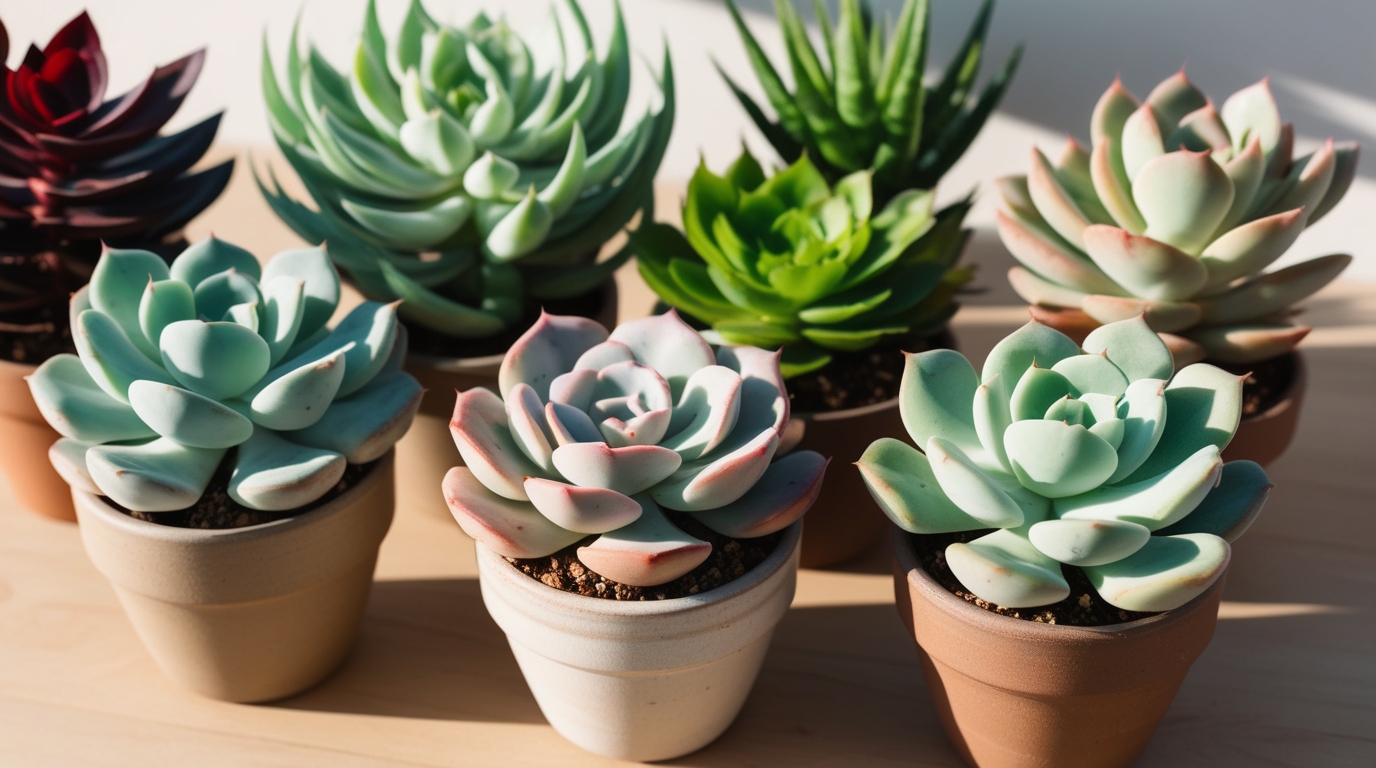
Succulent plants are a unique group of plants known for their thick, fleshy leaves, stems, or roots that store water. This special adaptation allows them to survive in dry and arid environments where water is scarce. The word “succulent” comes from the Latin word sucus, meaning juice or sap, which perfectly describes their water-filled tissues. Succulents come in a wide variety of shapes, sizes, and colors, making them extremely popular among gardeners and indoor plant lovers. Some have rosette shapes, while others grow tall like small trees or spread along the ground. They can be found naturally in deserts, semi-deserts, and dry regions across Africa, Asia, and the Americas. Because of their low water needs and minimal maintenance, succulents are ideal for beginners. They are commonly grown as houseplants, in gardens, and even in decorative arrangements such as terrariums and wall planters.
2. Types of Succulent Plants
There are thousands of suçculent plant species, grouped into many families and genera. Some of the most popular types include Aloe, Echeveria, Haworthia, Jade Plant (Crassula), and Sedum. Aloe plants are well-known for their medicinal properties, especially Aloe vera, which is widely used in skincare and health products. Echeveria and Haworthia are loved for their compact rosette shapes and are commonly used as indoor plants. Jade plants are symbolic of good luck and prosperity in many cultures and can grow into small, tree-like forms over time. Sedum, also known as stonecrop, is often used as ground cover in gardens due to its spreading nature. Each type of succulent has its own growth pattern, color, and care requirements, but all share the common ability to store water efficiently.
3. Benefits of Growing Succulents
Succulent plants offer many benefits beyond their attractive appearance. One of the biggest advantages is their low maintenance. They require less watering than most houseplants, making them perfect for busy people or those new to gardening. suçculent also help improve indoor air quality by absorbing carbon dioxide and releasing oxygen. Some varieties, such as Aloe vera, have medicinal benefits and can be used to soothe burns, cuts, and skin irritation. Additionally, succulents are excellent stress relievers. Studies suggest that caring for plants can reduce anxiety and improve mental well-being. From an aesthetic point of view, succulents are highly versatile and can be used in home décor, office spaces, and outdoor landscapes. Their ability to thrive in small pots also makes them ideal for apartments and limited spaces.
4. How to Care for Succulent Plants
Proper care is essential for keeping suçculent plants healthy and vibrant. The most important factor is watering. Succulents prefer deep but infrequent watering, allowing the soil to dry out completely between waterings. Overwatering is the most common cause of succulent death, leading to root rot. Sunlight is another key element. Most succulents need bright, indirect light, though some varieties can tolerate direct sunlight. Soil choice also matters; a well-draining soil mix specifically designed for succulents and cacti is ideal. Good air circulation helps prevent fungal diseases. Fertilizing should be done sparingly, usually once or twice during the growing season. With the right balance of light, water, and soil, succulents can thrive for many years.
5. Best Soil and Pots for Succulents
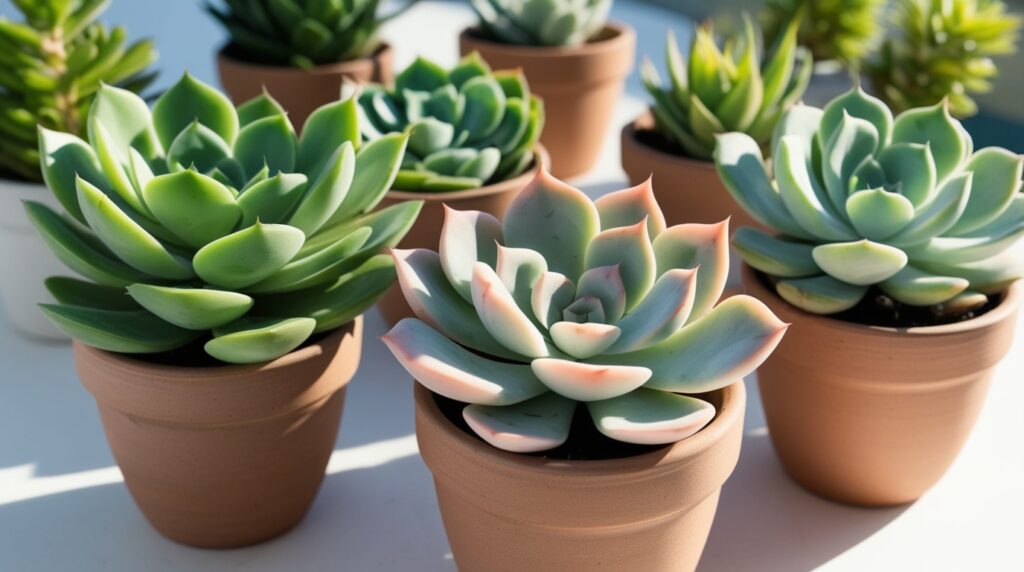
Choosing the right soil and pot plays a crucial role in suçculent growth. Succulents require soil that drains quickly to prevent water from sitting around the roots. A commercial cactus or succulent mix is recommended, or you can make your own by mixing regular potting soil with sand, perlite, or pumice. The pot should always have drainage holes to allow excess water to escape. Terracotta pots are especially popular because they are porous and help soil dry faster. While decorative pots look attractive, they should never compromise drainage. The size of the pot should match the plant’s size, as overly large pots can hold excess moisture. Using the correct soil and container setup ensures healthy roots and reduces the risk of common problems.
6. Indoor vs Outdoor Succulent Plants
Succulent plants can be grown both indoors and outdoors, depending on the climate and species. Indoor suçculent are usually kept near windows where they can receive bright light. They are protected from harsh weather conditions and pests, making them easier to manage. Outdoor succulents, on the other hand, often grow faster and develop stronger colors due to natural sunlight. However, they require protection from heavy rain, frost, and extreme cold. In colder regions, succulents are often grown outdoors during warm months and brought inside during winter. Choosing the right location is essential for success. Whether indoors or outdoors, succulents can adapt well if their basic needs are met.
7. Common Problems in Succulent Plants
Despite being hardy plants, suçculent can face several problems if not cared for properly. Overwatering is the most common issue, leading to soft, mushy leaves and root rot. Underwatering can cause shriveled and wrinkled leaves. Lack of sunlight often results in etiolation, where the plant stretches and loses its compact shape. Pests such as mealybugs, aphids, and spider mites can also attack suçculent , especially indoor ones. Fungal infections may occur in humid conditions with poor airflow. Identifying these problems early is important to save the plant. Adjusting watering habits, improving light exposure, and treating pests promptly can help keep succulents healthy.
8. How to Propagate Succulent Plants
One of the most exciting aspects of succulents is how easy they are to propagate. Most suçculent can be propagated from leaves, stem cuttings, or offsets. Leaf propagation involves gently removing a healthy leaf and allowing it to dry for a few days before placing it on soil. Stem cuttings are taken by cutting a healthy stem and letting it callous before planting. Offsets, also known as pups, are small plants that grow around the base of the parent plant and can be separated. Propagation is a cost-effective way to grow your collection and share plants with others. With patience and proper care, new succulents will begin to grow roots and leaves.
9. Popular Uses of Succulent Plants
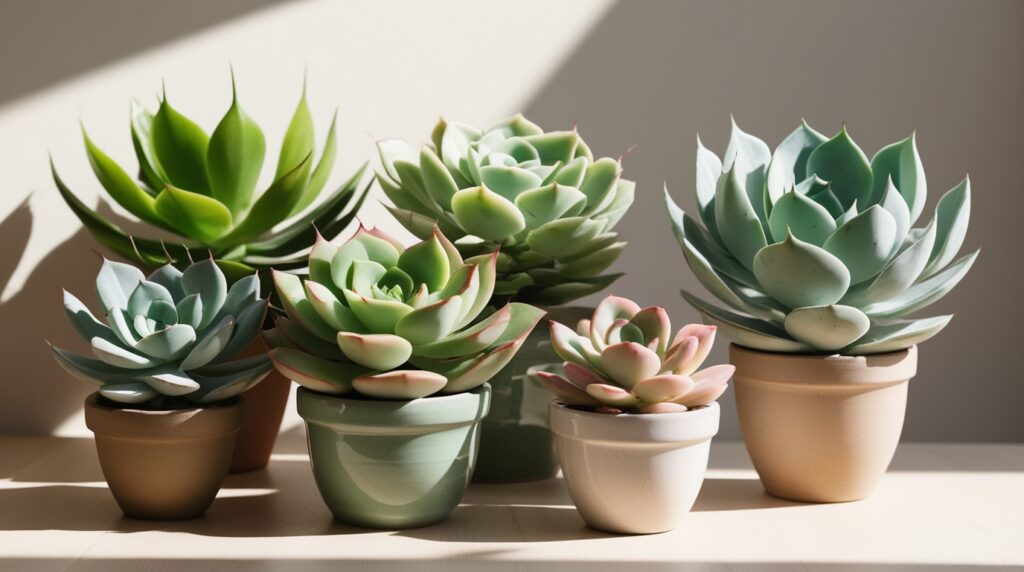
Succulent plants are widely used for decorative and practical purposes. They are commonly seen in home décor, office desks, and cafés due to their modern and minimalistic look. Succulents are also popular in wedding decorations, gift arrangements, and event centerpieces. In landscaping, they are used in rock gardens, green roofs, and drought-tolerant landscapes. Some succulents have cultural and symbolic meanings, representing endurance, prosperity, and positivity. Medicinal succulents like Aloe vera are used in health and beauty products. Their versatility makes succulents suitable for both personal and commercial use.
10. Why Succulents Are Perfect for Beginners
Succulents are considered one of the best plants for beginners because they are forgiving and easy to maintain. They do not require frequent watering, complex care routines, or expensive equipment. Even if neglected for some time, many suçculent can recover quickly. Their slow growth rate means less frequent repotting and pruning. Beginners can experiment with different varieties without much risk. Additionally, suçculent help build confidence in plant care, encouraging people to explore gardening further. With their beauty, durability, and simplicity, suçculent are an excellent starting point for anyone interested in plants.