

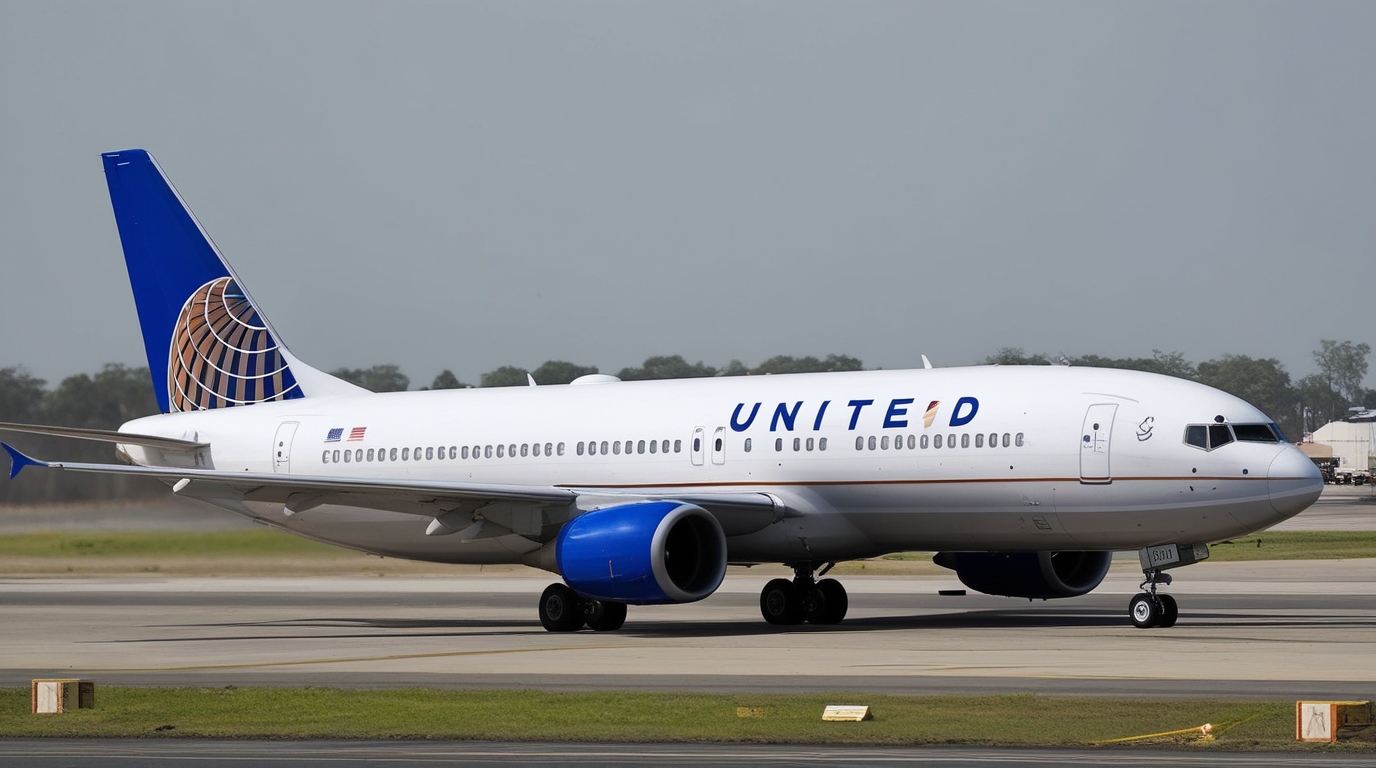
United Airlines Flight UA770 has recently caught the attention of many aviation enthusiasts and travelers due to its emergency diversion. Whenever a commercial flight makes an emergency diversion, it is a serious matter for both passengers and the airline.
What Is an Emergency Diversion?
An emergency diversion occurs when a flight lands at a different airport than originally planned. The decision is made jointly by the pilot and the airline’s operations team, with passenger safety as the top priority.
Flights may be diverted for several reasons:
- Medical emergencies on board
- Technical or mechanical issues
- Cabin pressure or smoke warnings
- Severe weather conditions
- Security concerns
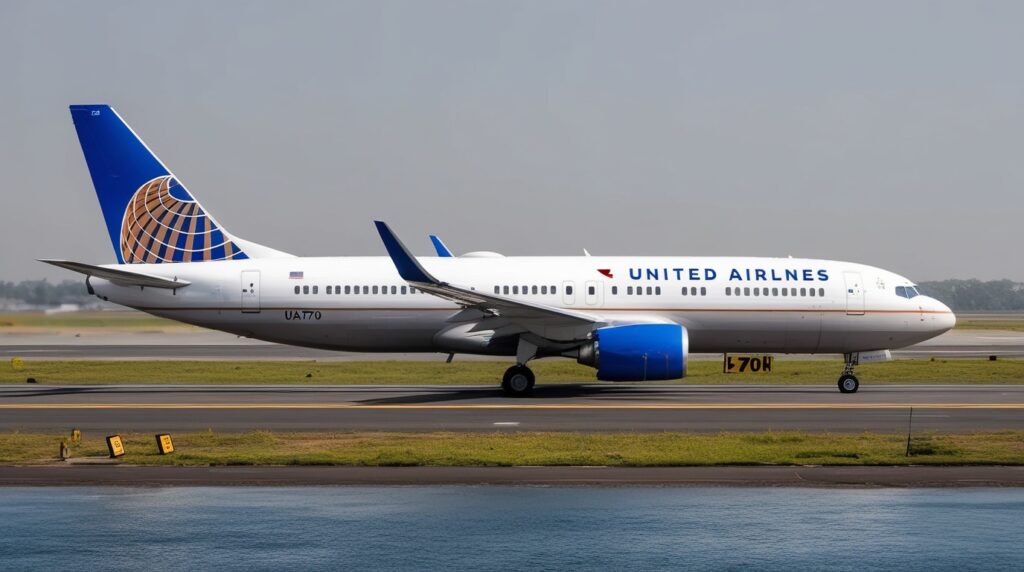
United Airlines Flight UA770 Emergency Diversion Overview
The emergency diversion of United Airlines Flight UA770 drew attention from the aviation community. When a major airline like United diverts a flight, standard safety protocols are always followed.
During such diversions:
- The pilot informs air traffic control immediately
- The nearest suitable airport is selected
- Ground medical and technical teams are prepared for assistance
Why Do Airlines Take Emergency Diversions Seriously?
Safety is the top priority in commercial aviation. Even minor issues can trigger a diversion if there is any risk to passengers.
United Airlines pilots and crew follow FAA-approved procedures, ensuring that passenger well-being remains the first priority. While diversions may cause delays or inconvenience, they are always a proactive safety measure.
Passenger Experience During an Emergency Diversion
Passengers typically experience the following during a diversion:
- Updates via cabin announcements
- Instructions to remain calm
- Assistance after landing, including rebooking and accommodation
United Airlines prioritizes passenger support depending on the situation, ensuring that the diversion process is as smooth as possible.
Communication During Emergency Diversion
An essential part of the UA770 emergency diversion is communication. Clear and timely communication from the flight crew is crucial during emergencies. Pilots and cabin crew are trained to manage panic and provide step-by-step updates so the flight can safely divert without confusion or stress among passengers.
Post-Diversion Safety Checks
After an emergency diversion, the airline’s technical team conducts a complete inspection of the aircraft. The plane is not returned to service until the issue is fully resolved. This process reflects United Airlines’ strict safety standards and ensures that future flights remain completely safe.
United Airlines Safety Standards
United Airlines is known for its high safety and training standards. Emergency diversions like UA770 should not be viewed as failures but as evidence of the airline’s commitment to safety. These actions demonstrate that:
- Risks are not ignored
- Safety decisions are made promptly
- International aviation regulations are strictly followed
Conclusion
The United Airlines Flight UA770 emergency diversion highlights the importance of safety in aviation. While diversions are rare, they are a critical measure to protect passengers and crew. Such events are a reminder that airlines prioritize proactive safety over convenience, ensuring every flight remains as safe as possible.e.